
Retail Loyalty Programs: Strategies to Increase Repeat Purchases
Getting a customer to make a first purchase is important. Getting that customer to come back is where long-term retail growth begins. A loyalty program can give shoppers a reason to return, but only when it offers something genuinely useful. A confusing points system or a stream of irrelevant discounts will not create much loyalty.
The strongest programs make customers feel recognized, give them a clear benefit, and remove friction from the next purchase. They also give retailers useful information about shopping habits. When those pieces work together, loyalty becomes part of the customer experience rather than just another promotion.
How Retail Loyalty Programs Increase Repeat Purchases
Give Customers a Reason to Return
A loyalty program should answer a simple question: “Why should I shop here again?” The answer might be points, exclusive access, member pricing, free services, birthday rewards, or early notice of new products. The reward does not always need to be large. It needs to be easy to understand and worth working toward.
According to Deloitte’s 2025 Consumer Loyalty Program Survey, 72% of consumers say loyalty programs make them more likely to spend with their preferred brand, and 56% say they increase their spending because of the program. These figures do not mean that every program will automatically create repeat purchases. They show that customers can respond when the value exchange feels worthwhile.
Make the benefit visible at checkout, on your website, and in follow-up messages. If customers have to search for the reward rules, they may forget the program before they use it.
Keep the Program Simple
Customers should understand how to join, earn, and redeem without needing a long explanation. A straightforward structure might offer one point for every dollar spent, a reward after a defined number of points, and occasional bonus opportunities.
Avoid rules that make the reward feel impossible. Points that expire too quickly, complicated exclusions, and unclear thresholds can make customers feel that the program is designed to prevent redemption. The goal is to encourage another purchase, not create frustration.
Redemption should be as easy as earning. If members can use rewards in-store and online, explain that clearly. Show the reward’s value on the customer’s account or receipt so there is no uncertainty at checkout.
Reward the Behavior You Want
A loyalty program should support your retail strategy. If you want customers to visit more often, offer a reward after several separate purchases. If you want to increase average order value, offer a bonus when spending reaches a reasonable threshold. If you need to introduce a new category, provide extra points for trying it.
Personalize Offers Carefully
A generic “20% off everything” message may be easy to send, but it is not necessarily useful. A customer who regularly buys skincare products may respond better to an offer on a related item. Someone who purchases children’s clothing may appreciate an alert about a new seasonal collection.
Personalization should use helpful signals such as purchase history, product preferences, and timing. It should not feel as if the retailer is making assumptions about a customer’s private life. Explain the value of sharing information and give members control over communication preferences.
Deloitte’s loyalty research reports that younger consumers are especially open to sharing information for tailored offers. Many also expect digital features such as real-time points tracking and personalized recommendations. The lesson is simple: use data to make the experience more relevant, not merely to send more messages.
Make Mobile and In-Store Experiences Match
A customer may discover a product online, visit a store, and redeem a reward at the register. The loyalty experience should remain consistent across those steps. If points appear in one channel but not another, customers may lose confidence in the program.
The 2025 EY Loyalty Market Study found that 92% of surveyed consumers were enrolled in at least one loyalty program, and more than half engaged with their programs weekly. The study also emphasizes convenient digital access and consistent experiences across channels.
A mobile-friendly account can show points, available rewards, purchase history, personalized offers, and the next benefit a customer can earn. In-store employees should be able to locate a member quickly and explain the program without slowing the line.
Bring Back Infrequent Shoppers
Not every customer needs the same message. A regular customer may need recognition, while someone who has not visited for six months may need a timely reason to return. Segment members by purchase frequency, category, spending level, and recent activity.
Connect Loyalty Data to Your POS
A retail POS can make loyalty programs easier to operate because purchases, rewards, redemptions, and customer profiles can be connected at the point of sale. That reduces manual tracking and gives staff a clearer view of what a customer can use during checkout.
The BIM POS article on enhancing customer loyalty describes automated point tracking, customized rewards, seamless redemption, tiered membership levels, purchase-history-based offers, CRM integration, feedback tools, and multi-channel synchronization. These capabilities can help a retailer recognize customers consistently while using sales data to improve future promotions.
The technology should support the program, not define it. Begin with a clear customer benefit, then choose tools that make earning, communication, and redemption reliable.
Measure Repeat Purchases and Profit
Enrollment is only the beginning. Track how often members purchase, how long they remain active, average order value, redemption rate, margin after rewards, and the percentage of sales from returning customers. Compare members with similar non-members when possible.
Watch for warning signs. A program may be creating activity without creating profit if customers wait for discounts, redeem rewards on low-margin products, or join but never return. Adjust the earning rules, rewards, or messages based on what the data shows.
Build a Reason to Come Back
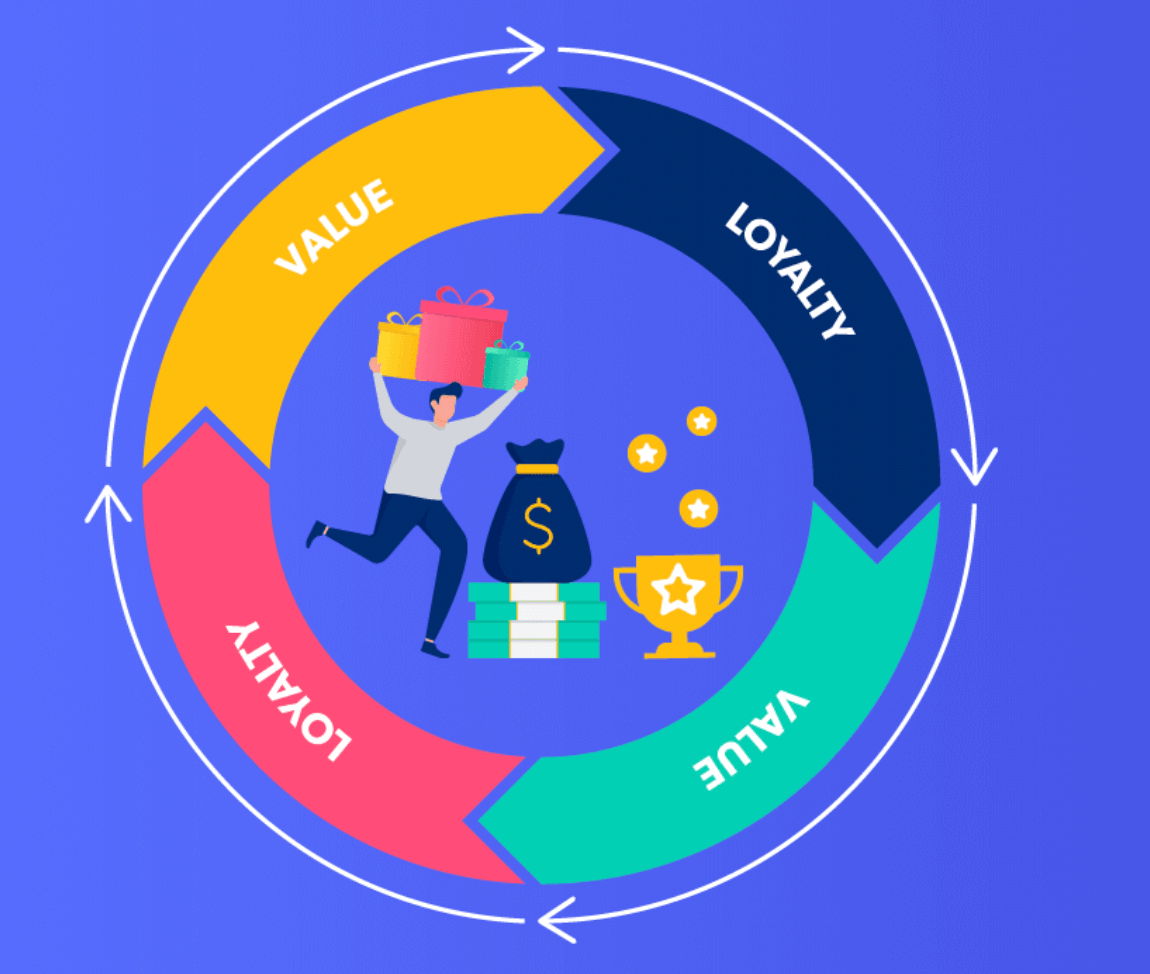
Retail loyalty programs increase repeat purchases when they make customers feel that returning is valuable and easy. Keep the rules clear, reward meaningful behavior, personalize carefully, connect online and in-store experiences, and make redemption simple.
A strong program does not replace good products or service. It gives customers another reason to choose your store when they are ready to buy again. With consistent execution and useful POS data, that reason can become a lasting purchasing habit.


